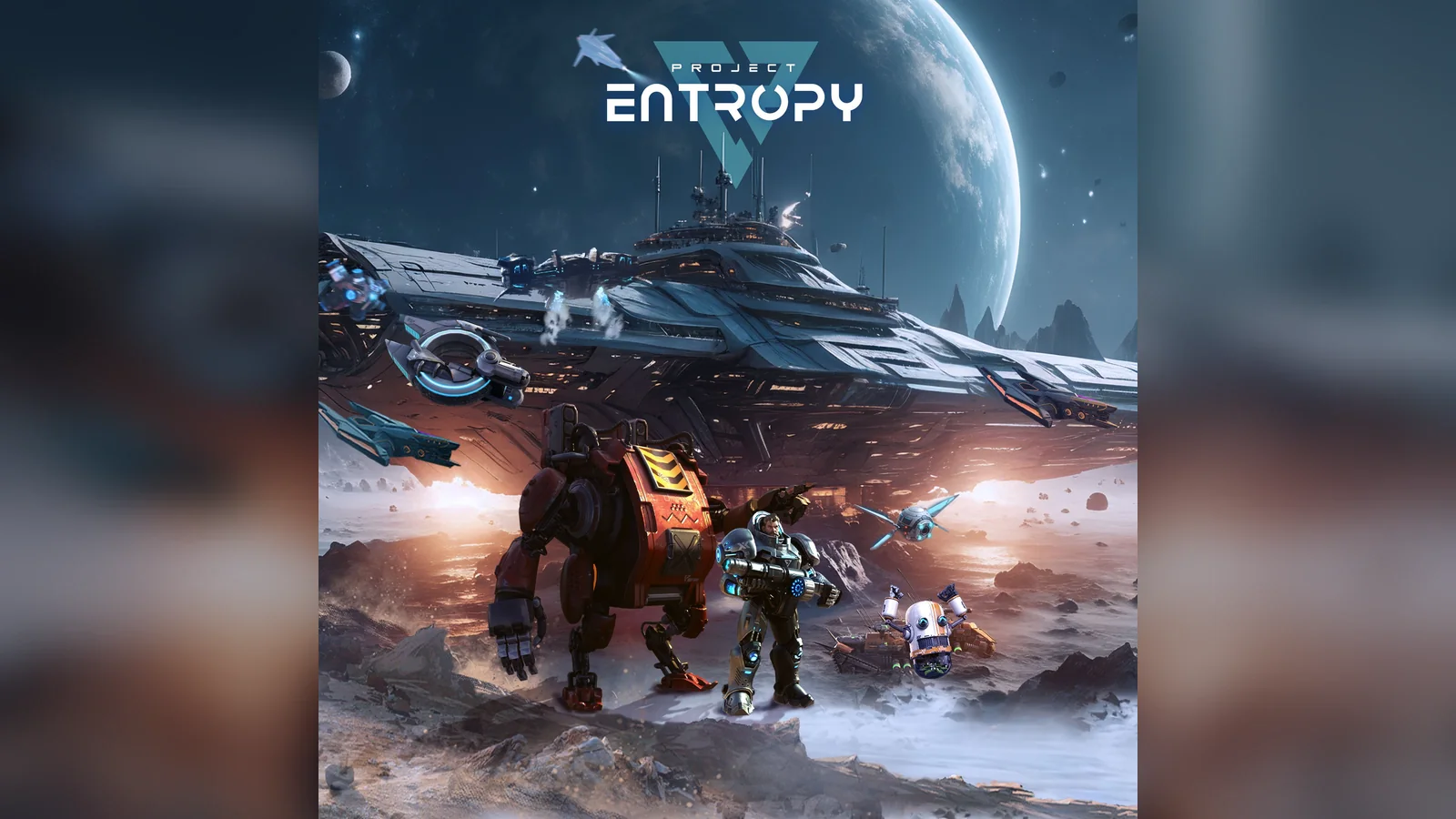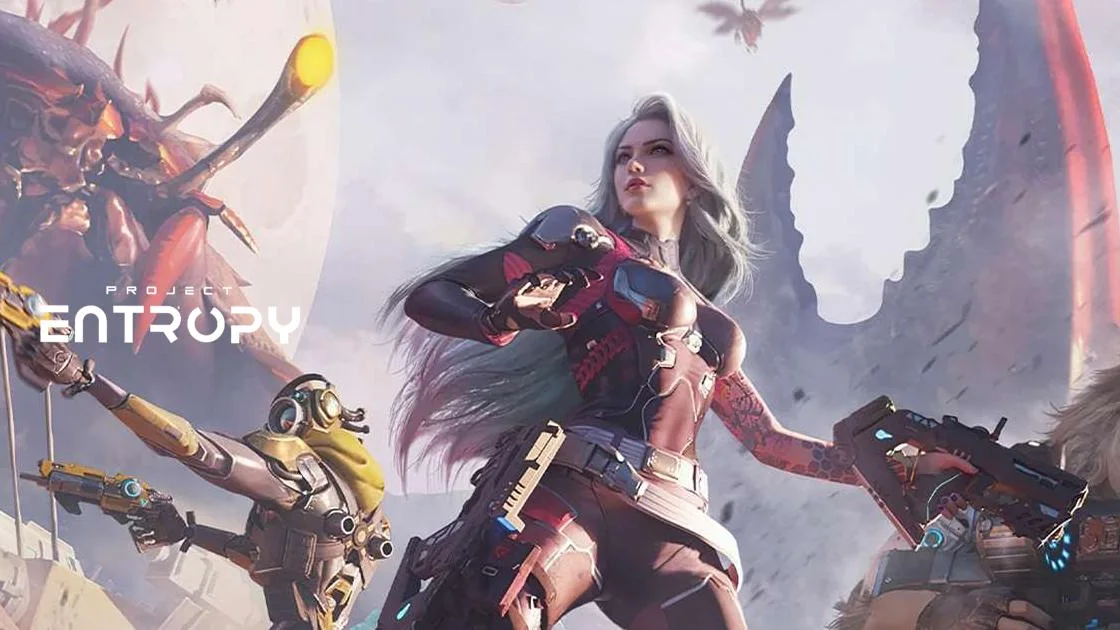
The safest opening in Project Entropy is to develop one mission-capable fleet, keep base and technology progression aligned with it, and join an active alliance before committing scarce resources. The game combines heroes, vehicles, weapons, PvE creatures and real-time alliance warfare; trying to upgrade every option at once creates an account that looks busy but cannot complete its next objective efficiently.
This guide sticks to systems confirmed by FunPlus’s official listing. Exact hero, event and shop values should always be checked in the live client.
- Follow main missions until the game’s core systems are open.
- Assign every active hero, vehicle and weapon a clear role.
- Build one reliable fleet before a second specialist lineup.
- Join an alliance with activity during your normal play hours.
- Keep construction/research queues working when affordable.
- Save broadly usable hero and premium resources until a long-term role is clear.
- Read event scoring before spending stockpiles.
Understand what the game is asking you to manage
FunPlus describes Project Entropy as a 4X strategy game with recruitable heroes, customizable vehicles and weapons, tanks and aircraft, Grod encounters, real-time regional combat and alliance warfare. Those layers create five connected progression tracks.
| Track | Purpose | What to avoid |
|---|---|---|
| Base/development | Unlocks and produces account resources | Upgrading low-impact items while a prerequisite waits |
| Technology | Permanent efficiency and combat gains | Researching without a near-term objective |
| Heroes | Skills and fleet leadership | Spreading rare materials across every unlock |
| Vehicles/weapons | Tactical capability and fleet strength | Building duplicates without a role |
| Alliance/map | Territory, cooperation and conflict | Acting without reading alliance instructions |
When progress stops, name the blocked track. If a mission fails because the fleet cannot survive, another economic upgrade may not be the immediate answer. If the base cannot meet the next prerequisite, spending everything on a marginal combat upgrade may be equally unhelpful.
Your opening route
1. Follow missions and claim only verified rewards
Main missions teach the interface and gate systems. Advance them until you have enough information to make choices. Before collecting or spending a promotional reward, confirm it exists in the current event page or official channel; avoid expired code lists and unofficial download offers.
2. Keep queues active with a purpose
Before starting a build or research task, note what it unlocks. Prioritize prerequisites for the next mission, queue, vehicle or alliance requirement. Start long timers before leaving and shorter ones while active. Use alliance assistance if the current system offers it, then decide whether a speedup is justified.
3. Form one coherent fleet
The official description says players can customize vehicles and weapons and recruit heroes whose skills can be upgraded. Turn that flexibility into roles.
- Front line: absorbs pressure or holds position.
- Damage: converts openings into reliable output.
- Control/support: improves allies, disrupts enemies or stabilizes the group.
- Tactical specialist: answers a particular enemy, terrain or mission condition.
These labels are a planning tool, not official classes. Read current skill and equipment text to see what a unit actually does. A high rarity does not guarantee synergy.
Upgrade the bottleneck, not the notification
Use a three-question test before investing:
- Is this unit or technology used in the fleet that clears current missions?
- Does the upgrade fix a measured problem such as survival, damage, march capacity or access?
- Is the material broadly usable and therefore worth saving until more options are known?
If the answers are “no,” “unclear” and “yes,” wait.
Develop the active fleet to a shared readiness level. One overbuilt hero cannot compensate indefinitely for weak vehicles or neglected supporting units. Conversely, upgrading every component evenly can waste materials on parts that already perform well.
Test changes one at a time
After a failed mission, change positioning or target priority before assuming the account is underpowered. Then change one hero, vehicle or weapon choice. Upgrade only after identifying the cause. This keeps tactical problems from becoming spending problems.
Join an alliance that matches your schedule
Alliance warfare is an official core feature, including regional territory and resource competition. Join early enough to learn local expectations before the account becomes valuable to protect.
Look for:
- activity in your time zone;
- understandable rules and leadership messages;
- realistic participation requirements;
- coordinated map markers and objectives;
- room to learn without wasting group resources.
Do not attack a player, occupy a location or commit to a regional objective solely because the interface allows it. Check alliance diplomacy and instructions. Real-time map actions can affect more than your individual account.
Daily resource routine
- Claim legitimate free and timed rewards.
- Collect production and restart useful queues.
- Review daily tasks and event scoring for overlap.
- Complete mission or Grod objectives suited to the active fleet.
- Contribute to alliance tasks you can finish.
- Gather or produce the resource needed by the next planned upgrade.
- Recall vulnerable forces and secure the account before leaving.
Keep a reserve for repairs, prerequisite builds and event-independent progression. An event milestone is worthwhile only if the reward is more useful than the resources consumed to reach it.
Mistakes to avoid
Upgrading every hero. Build a compact team with complementary jobs.
Treating power as the only metric. Match units and equipment to the encounter and role.
Joining any alliance for the tag. Activity, communication and time-zone fit determine practical value.
Spending universal materials immediately. Early options do not reveal every future need.
Starting map conflict without context. Alliance warfare is social and strategic, not a solo target list.
Trusting old numeric guides. Event costs, heroes and balance can change; use current in-game values.
FAQ
What type of game is Project Entropy?
FunPlus lists it as a multiplayer 4X strategy game with RPG hero development, vehicles, weapons, PvE creatures and real-time alliance warfare.
Should I upgrade every unlocked hero?
No. First create one fleet that covers damage, survival and utility. Preserve scarce materials until another hero has a defined job.
Is joining an alliance necessary?
It is strongly recommended because alliance warfare and regional competition are official core systems. Choose a group whose schedule and expectations fit yours.
Which hero is best for beginners?
There is no durable universal answer without the current roster and balance data. Choose by the job your active fleet lacks and verify live skill descriptions.
Sources
Accessed August 27, 2026
- Project Entropy official websiteofficial branding and download destination
- Project Entropy — developer listing on Google Playfleet, heroes, vehicles, real-time combat and alliance systems; updated August 24, 2026
- FunPlus privacy policypublisher-linked policy destination from the official listing

Ethan Cole is Clutchrig's fictional guides persona, used for practical game guidance focused on clear progression routes, efficient resource use, current documentation, and verified sources.