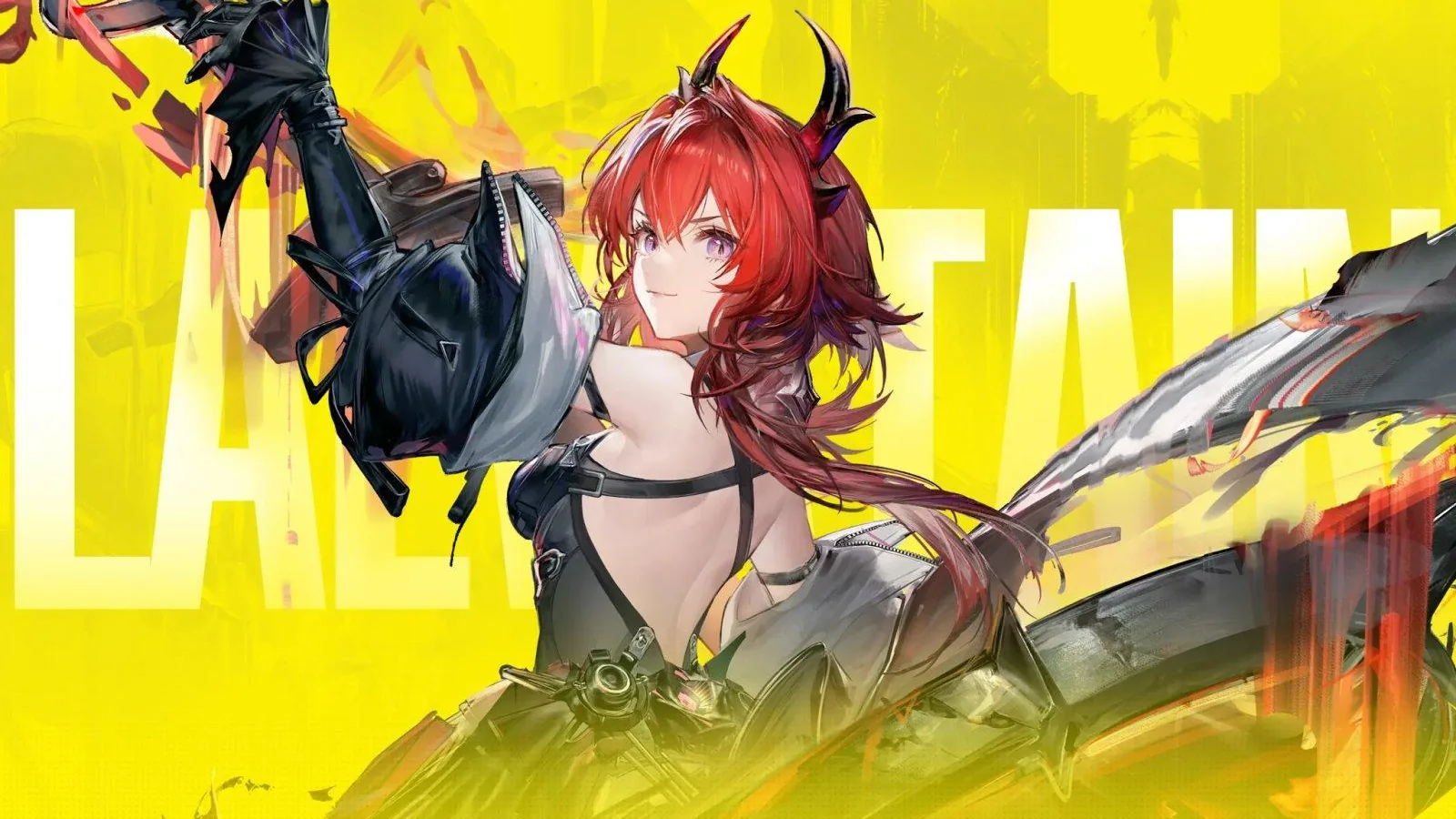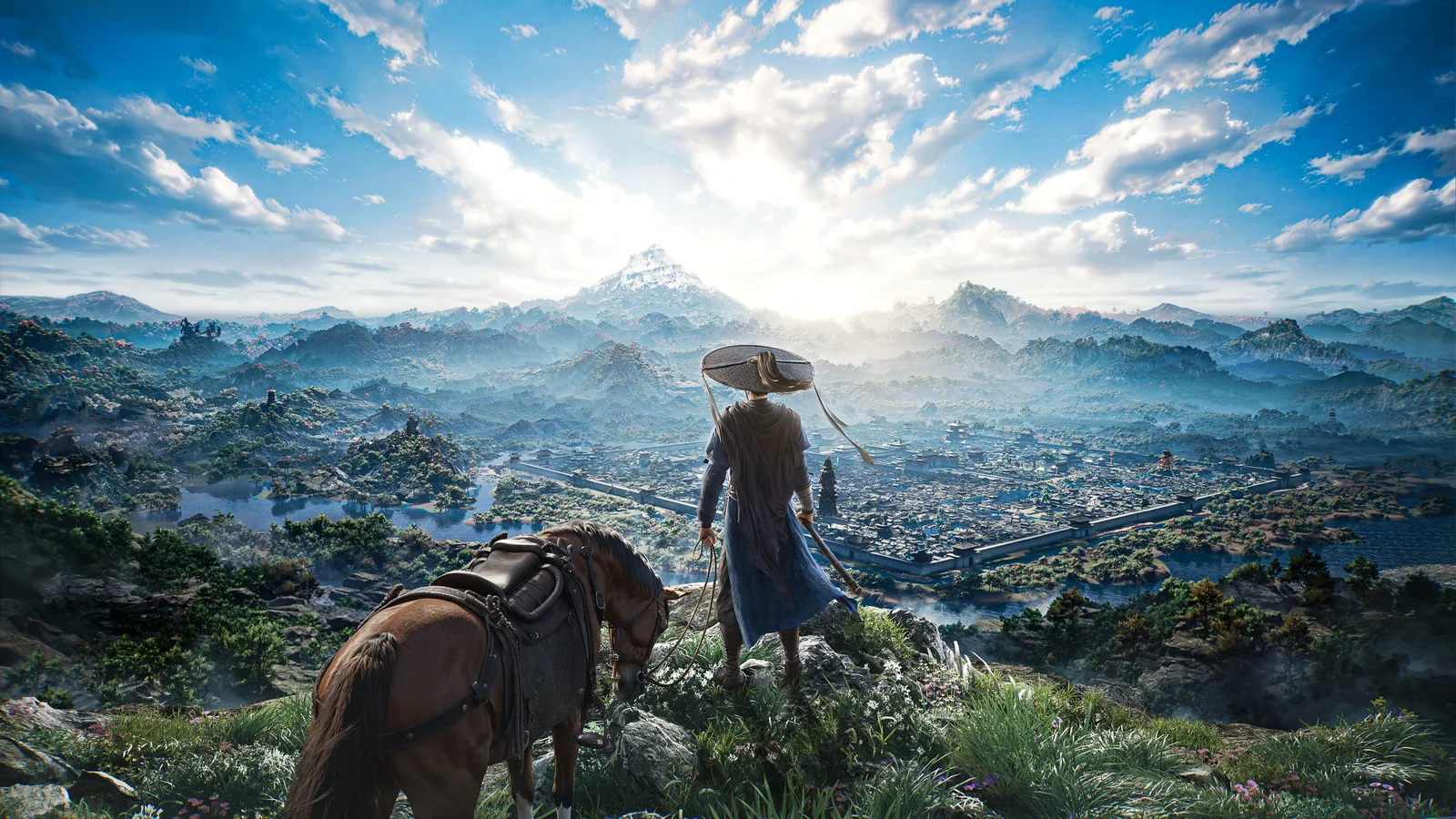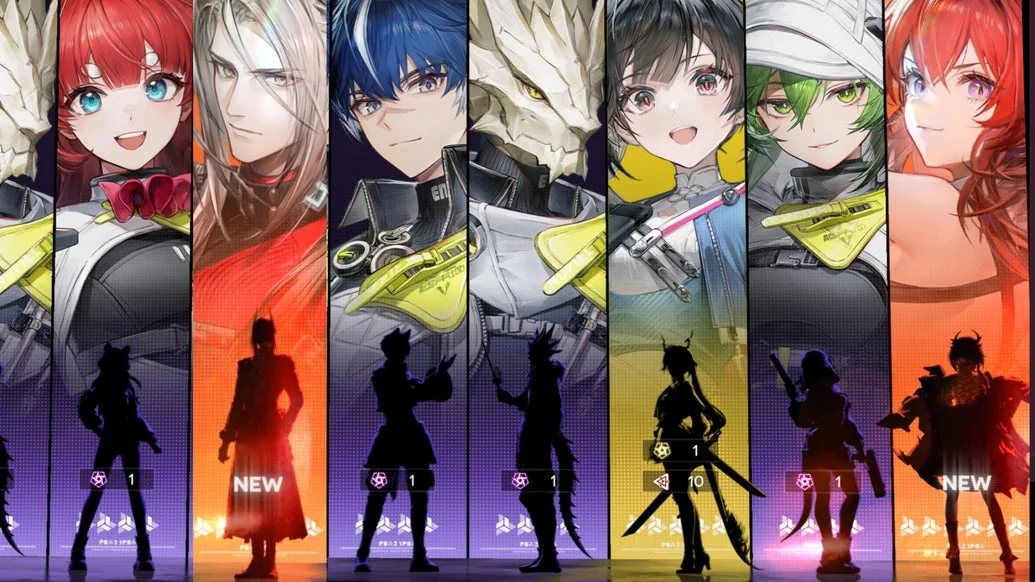
Verdict: Arknights: Endfield has a real identity. Its combination of four-character action combat, exploration and programmable production lines is much more than a gacha RPG with a factory minigame bolted on. The factory is the point: it turns gathering and character growth into a spatial optimization problem, and it gives the world a satisfying sense of infrastructure. That distinction is also the filter. Players attracted only by the anime presentation may find the tutorials, currencies and production dependencies exhausting, while automation fans have one of the most unusual free-to-play RPGs available.
There is no numerical score attached to this article. This is a researched state-of-the-game assessment, not a hands-on Clutchrig test, and assigning a number would imply first-hand judgment we do not have.
Methodology: This assessment was researched on August 27, 2026. It draws on GRYPHLINE’s launch documentation and current update notes, plus published hands-on criticism from CGMagazine, IGN and other specialist outlets. We did not play the game, measure performance or test its monetization ourselves. Live-service systems can change after publication.
The short answer: is Endfield worth playing?
Yes, with two firm qualifications. First, you should want the factory. Conveyor networks, material conversion and regional logistics are not optional garnish; they are the system that separates Endfield from better-established open-world action gachas. Second, you must accept a live-service economy built around acquiring and developing operators and weapons.
If both conditions sound acceptable, the free entry price makes Endfield easy to sample. If either sounds irritating, its visual polish will not make the underlying structure disappear.
What Endfield does well
- Automation gives progression a tangible shape. Instead of treating upgrade materials as anonymous menu rewards, Endfield asks players to build systems that manufacture and route them.
- It has a coherent science-fiction identity. Industrial installations, hostile frontiers and sharply designed operators belong to the same world rather than feeling like disconnected feature sets.
- Party combat rewards composition and timing. A four-operator squad lets the player chain skills and exploit interactions without constantly swapping to isolated one-character routines.
- Post-launch support is substantial. The July Homecoming update expanded the Wuling chapter, added progression conveniences and brought DLSS 4.5, FSR 3 and PS5 Pro improvements. An August developer communication previewed further factory, progression and visual refinements.
- Cross-platform continuity is useful. The official launch covered PC, PS5, Android and iOS, with progress synchronization under the same account, subject to server and account-linking rules.
Where it pushes back
- Onboarding has a high cognitive load. Combat terms, factory rules, exploration resources and multiple progression screens arrive in a game already carrying gacha conventions.
- The open world can become connective tissue. Published reviewers broadly praise the factory concept but are less consistent about routine traversal, puzzles and repeated enemy encounters.
- Its economy asks for long-term attention. Operators, weapons, materials, passes and time-limited acquisition create overlapping priorities. The systems may be legible individually while still feeling excessive together.
- It is not a conventional Arknights sequel. Knowledge of the original tower-defense game can enrich the setting, but Endfield plays as an action RPG and automation game. Players expecting the original’s tactical format should reset that expectation.
Gameplay: combat and factories are interdependent
The basic rhythm alternates between field exploration, real-time encounters, construction and account progression. Combat uses a squad of four. The player controls movement and ordinary attacks while directing character skills and ultimates, creating a tactical layer around timing, positioning and team synergy. Published hands-on reviews describe it as more deliberate than the fastest character-action gachas. That can read as measured and strategic or slightly restrained, depending on whether you want execution-heavy combat.
The Automated Industry Complex is the defining system. Extraction points feed materials into processing chains; machines convert inputs; belts and routes connect stages; completed products support exploration and operator development. It resembles the satisfaction of a compact factory game without attempting the unrestricted scale of Factorio or Satisfactory. The important achievement is thematic: rebuilding a frontier is something the player physically organizes.
That design creates productive tension. A missing component is not simply another icon to farm; it can be a reason to revisit the layout, unlock technology or improve throughput. It also creates friction for players who dislike logistics. Endfield does not hide that commitment, and prospective players should not treat it as a system they can permanently ignore.
Story and world: atmosphere ahead of accessibility
Talos-II is presented as an industrial frontier shaped by catastrophe, competing interests and the remains of earlier civilizations. The Endministrator leads Endfield Industries while recovering fragmented knowledge and coordinating operators. The setup supports the game’s emphasis on reconstruction, but the terminology can make the opening feel like entering a conversation already in progress.
The Homecoming update is an important state-of-the-game marker. GRYPHLINE described it as the concluding battle chapter of Wuling and introduced an early-unlock path so newer players could reach that region sooner. That is a sensible live-service change: spectacular new content has limited value if months of prerequisites keep it invisible. It does not remove the density of the fiction, but it shows the studio addressing access rather than only adding more layers.
Progression, gacha and monetization
Endfield is free to play and uses probabilistic character acquisition. Official August notes for the forthcoming Dreamscape of Wind and Snow version describe a RE-Factor Headhunting banner with a five-star-or-better guarantee within ten attempts and a six-star guarantee within 80. Exact banner pools, currencies and carry-over rules matter more than the headline ceiling, so players should read the in-game terms before spending.
The practical concern is cumulative pressure. Character acquisition sits beside weapons, duplicate value, upgrade materials, daily or event-driven rewards and a Protocol Pass. Even when a single system appears manageable, several simultaneous targets can convert curiosity into obligation. The safest approach is to treat the free campaign and factory as the product, set a fixed entertainment budget of zero at first, and only consider spending after understanding pity, duplicate and version-cycle rules.
GRYPHLINE has been adding tools that reduce planning friction. A progression calculator, map updates and build sharing were refreshed during Homecoming. The next announced version adds a consolidated progression overview. Those are welcome usability measures, although convenience cannot answer the more personal question of whether a schedule-based collection economy suits you.
Technical state and platforms
Endfield launched worldwide on January 22, 2026 for Windows PC, Epic Games Store, PS5, Android and iOS. The PC version initially used GRYPHLINE’s launcher; a Steam release was still being prepared as of August 26, when the publisher opened recruitment for a limited Steam Pioneer Test. Do not confuse that test with an already-live Steam launch.
Official Homecoming notes added DLSS 4.5 Super Resolution, AMD FSR 3 Super Resolution and Frame Generation on compatible PC hardware, plus upgraded PSSR support on PS5 Pro. These features indicate active technical work, but they are not proof of a particular frame rate or absence of stutter. Clutchrig has not benchmarked the game.
The original official PC recommendation listed an Intel Core i7-10700K, 16GB RAM and an RTX 2060-class GPU; mobile and PS5 storage requirements were also sizeable. Verify the current launcher page before downloading because live-service clients and requirements change.
Who should play it?
Endfield is best suited to:
- players who enjoy optimizing production chains as much as building combat teams;
- action-RPG players comfortable learning interconnected systems;
- Arknights fans willing to enter a different genre;
- people who can engage with a gacha economy without feeling compelled to chase every release.
Skip it, or approach cautiously, if you want a self-contained premium campaign, dislike scheduled progression, prefer twitch-heavy solo combat, or find factory layout stressful rather than relaxing.
Final assessment
The strongest case for Endfield is not that it competes feature-for-feature with every open-world gacha. It is that the factory gives those familiar systems a different center of gravity. Exploration supplies industry, industry supports progression, and progression opens more of the frontier. When that loop clicks, the game’s complexity has purpose.
Its weakness is accumulation. Story terminology, upgrade resources, acquisition rules and live events all ask for attention, and the friction can obscure the elegant automation underneath. Six months of updates show GRYPHLINE working on access and quality of life, but the fundamental bargain remains unchanged: Endfield rewards commitment and systems thinking, then monetizes the desire to keep a growing roster current.
FAQ
Is Arknights: Endfield free to play?
Yes. It is free to download and includes in-game purchases and probability-based operator acquisition.
Do I need to play Arknights first?
No. Familiarity helps with names and world context, but Endfield has a different setting focus and a different action-and-automation structure.
Is Endfield on Steam?
Not as a normal public release on the research date. GRYPHLINE announced recruitment for a limited Steam Pioneer Test on August 26, 2026, ahead of a future Steam launch.
Does Endfield support cross-save?
Official launch documentation says progress can sync across supported platforms under the same account. Server regions do not share data, and PSN linking has specific restrictions.
Is the factory optional?
It is central to resource production and regional development. You can follow straightforward layouts, but avoiding the system entirely would mean avoiding Endfield’s defining mechanic.
Sources
- GRYPHLINE — pre-download, platforms and requirements
- GRYPHLINE — Homecoming version update notes
- GRYPHLINE — Dreamscape of Wind and Snow developer communication
- GRYPHLINE — Steam Pioneer Test recruitment
- CGMagazine — Arknights: Endfield PC review
- IGN — Arknights: Endfield review
Verdict
Clutchrig state-of-the-game assessment
Worth trying for players who genuinely enjoy automation and layered team-building; a poor fit for anyone who wants a frictionless action RPG or dislikes character-and-weapon gacha.
No numerical score. This researched review synthesizes official release information, current patch notes, storefront disclosures, and multiple published hands-on reviews. Clutchrig did not perform a hands-on playtest, benchmark hardware, or measure frame rates for this article.

Marcus Reed is Clutchrig's fictional reviews persona, used for evidence-led assessments of design, progression, monetization, and long-term value with clear methodology disclosures.